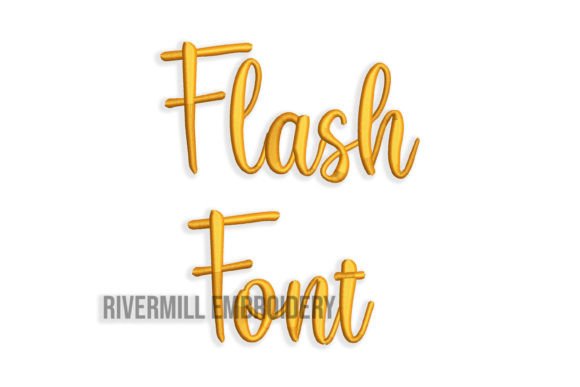
Flash Font: A Creative Tool for Designers and Creators
Flash Font is more than just a set of letters—it's a versatile design asset that can elevate your creative projects. Whether you're a designer, blogger, or small business owner, this font offers a unique way to bring your ideas to life with precision and style.
What Makes Flash Font Stand Out?
Flash Font is a machine embroidery design that comes in a 1 1 2 size, making it ideal for both detailed and bold applications. It includes upper and lower case letters along with numbers 0-9, giving you the flexibility to create a wide range of text-based designs. What sets it apart is its compatibility with multiple embroidery formats and machines, ensuring it works seamlessly across different platforms and workflows.
The font’s clean lines and structured design make it highly adaptable. It’s not just for traditional embroidery; it can be used in digital design, branding, and even as part of larger visual storytelling projects. Its simplicity allows for creative interpretation, whether you’re looking for a minimalist look or something more intricate.
Creative Possibilities with Flash Font
Flash Font opens up a world of creative possibilities. Here are a few ways you can use it:
- Branding Projects: Use Flash Font to create custom logos, tags, or labels for your brand. The consistent sizing and clarity make it perfect for signage, packaging, or promotional materials.
- Digital Designs: Incorporate Flash Font into graphic designs, social media posts, or website headers. Its clean aesthetic complements modern and vintage styles alike.
- Personalized Gifts: Embellish fabric items like tote bags, aprons, or quilts with Flash Font to add a personal touch. This is especially popular among hobbyists and small business owners who sell handmade goods.
- Artistic Expression: Artists and educators can use Flash Font to create visual art pieces or teach typography basics. Its structured format makes it an excellent tool for learning and experimentation.
Whether you're working on a professional project or a personal passion, Flash Font provides a foundation for creativity. Its adaptability ensures that no two uses are the same, allowing you to tailor it to your specific needs.
Adapting Flash Font for Different Goals
Flash Font isn’t one-size-fits-all. Its value lies in how you choose to apply it. For instance, a marketer might use it to craft eye-catching social media graphics, while a teacher could integrate it into a lesson on typography or design principles.
Consider your audience when deciding how to use Flash Font. If your target is younger audiences, you might lean into playful or whimsical designs. For more mature or professional settings, a sleek, minimalist approach would be more appropriate.
It’s also important to think about the platform where your design will be used. Flash Font works well with embroidery machines, but it can also be adapted for digital use. This dual functionality makes it a valuable asset for creators who work across multiple mediums.
Practical Tips for Using Flash Font
To get the most out of Flash Font, consider these practical tips:
- Experiment with Styles: Try different color combinations and textures to see how Flash Font looks in various contexts. You might discover new ways to incorporate it into your work.
- Use It Consistently: Maintain a cohesive look by using Flash Font consistently across all your branding and design elements. This helps build recognition and professionalism.
- Keep It Simple: While Flash Font is versatile, avoid overcomplicating your designs. Sometimes less is more, especially when working with text-based elements.
- Test Across Formats: Ensure your designs look good in both digital and physical formats. Test how Flash Font appears on screens and fabrics to maintain quality and clarity.
By following these guidelines, you can ensure that your use of Flash Font remains effective and engaging, regardless of the project or audience.
Real-World Applications and Inspiration
Flash Font has already found its place in various real-world applications. For example, a local boutique might use it to create custom name tags for their products, adding a personal touch that resonates with customers. Similarly, a blog might use it to design eye-catching headers that reflect the theme of their content.
Another great application is in educational settings. Teachers can use Flash Font to create visual aids, flashcards, or classroom decorations that reinforce learning concepts. Its clear structure makes it easy for students to read and understand.
For those interested in DIY projects, Flash Font can be a great addition to fabric crafts. Adding a personalized message or logo to a quilt or pillow can turn a simple item into a meaningful piece of art.
How to Get Started
If you're new to using Flash Font, start by exploring its features and limitations. Experiment with different projects to see what works best for you. Don't be afraid to try new approaches—creativity often comes from unexpected places.
Also, consider joining online communities or forums where designers and creators share their experiences. These spaces can provide valuable insights and inspiration as you develop your skills with Flash Font.
Remember, the key to success with Flash Font is consistency, creativity, and a willingness to experiment. By applying it thoughtfully, you can unlock a wide range of possibilities for your projects and audiences.